18515601883
The long-standing MICS-Asia program enters its fourth phase with an in-person meeting! From August 8-10, 2024, join Gregory R. Carmichael and other international modeling experts at the Earth Simulator, a National Large-Scale Scientific Facility. Don't miss out!
Aims and Significance of MICS-Asia
The MICS-ASIA (Model Inter-comparison Study Asia) program focuses on the comparative study of long-range transport models of pollutants in Asia. It was initiated by the International Institute for Applied Systems Analysis (IIASA), the Acid Deposition and Oxidant Research Center (ADORC) in Japan, the University of Iowa in the United States, and the Institute of Atmospheric Physics, CAS (IAP). The program evaluates the air quality simulation capabilities of eight different models for the East Asian region, aiming to deepen the understanding of the chemical mechanisms and transport patterns of long-range transboundary air pollution in East Asia. Additionally, it seeks to provide technical methods to reduce uncertainties in Asian air quality, establish a more reasonable inventory of anthropogenic emission sources in the region, and study the interactions between atmospheric environment and climate change.
Experts
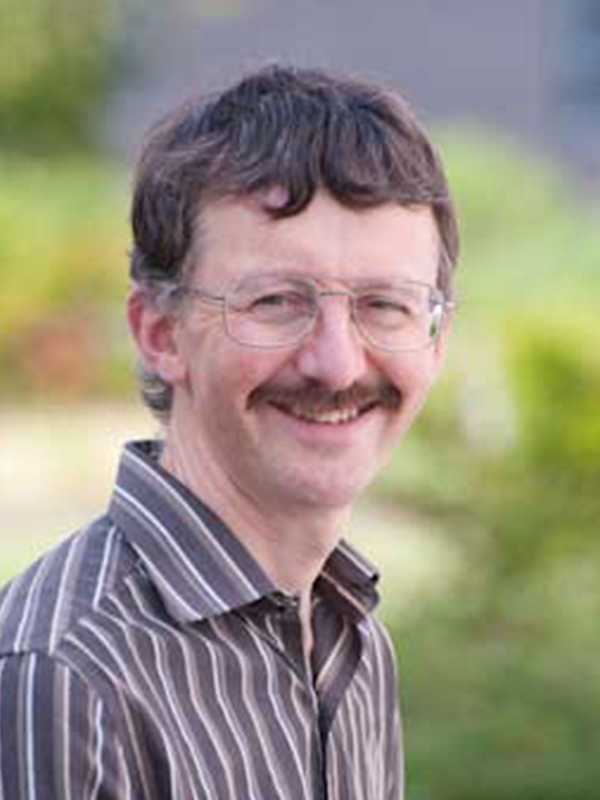
| Gregory R. Carmichael Affiliation: The University of Iowa, USA Research areas:
|
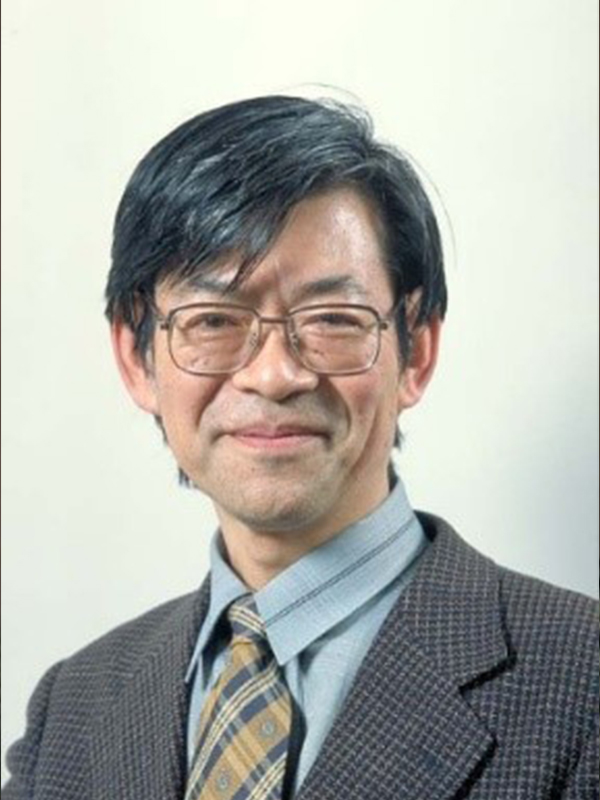
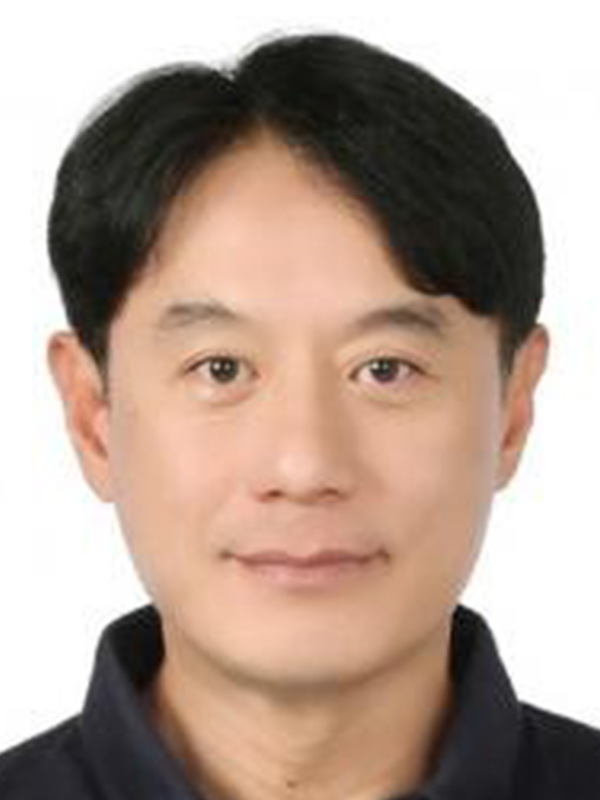
| Hajime Akimoto Affiliation: National Institute for Environmental Studies, Japan
|
|
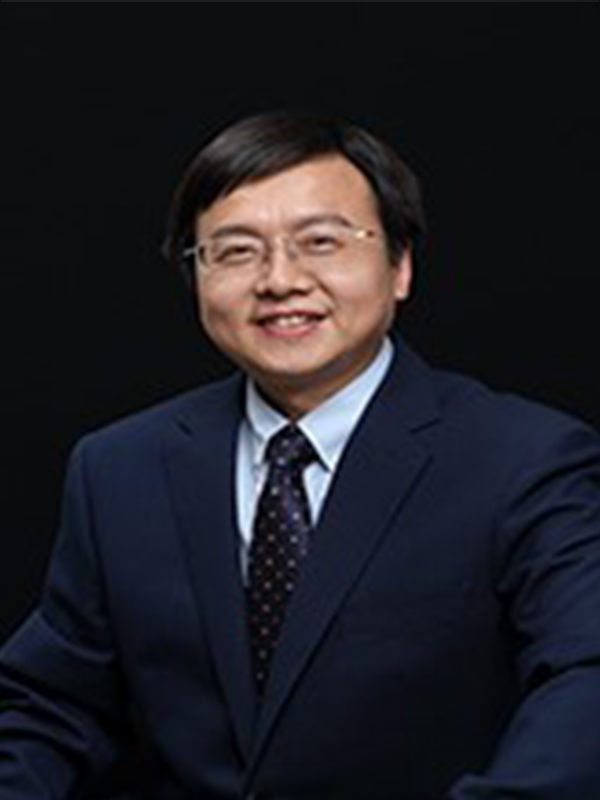
| Zifa Wang Affiliation: Institute of Atmospheric Physics Research Areas:
| Itsushi UNO Affiliation: Kyushu University Fukuoka, Japan Research areas:
| |
|
| Markus Amann Affiliation: International Institute for Applied Systems Analysis, Austria Research areas:
|
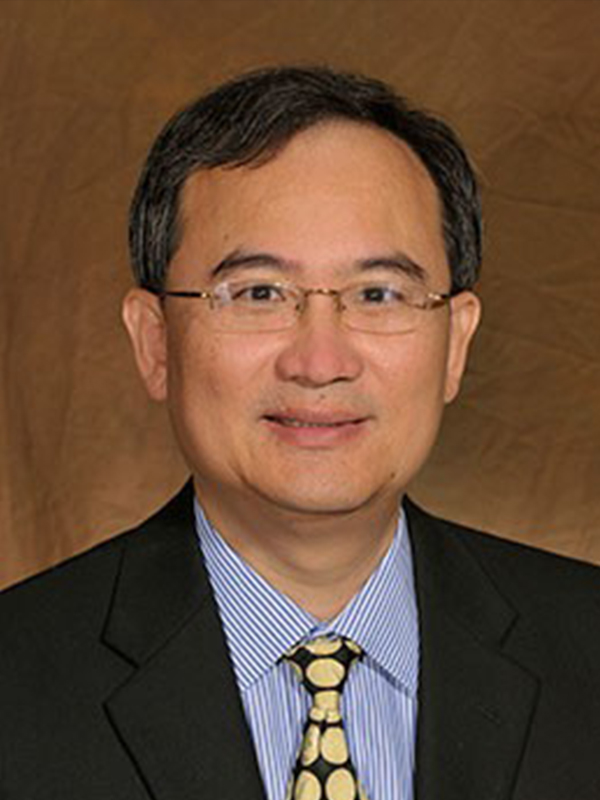
| Joshua S. Fu Affiliation: University of Tennessee, USA Research areas:
|
|
| Shaocheng Liu Affiliation: Jinan University Research Areas:
|
| Oliver Wild Affiliation: Lancaster Environment Centre, Lancaster University, UK Research areas:
|
|
| Jung-Hun Woo Affiliation: Konkuk University, Korea Research areas:
|
| Junling An Affiliation: Institute of Atmospheric Physics Research Areas:
|
|
| Zhiwei Han Affiliation: Institute of Atmospheric Physics Research Areas:
| Yu Song Affiliation: Peking University Research Areas:
| |
|
| Shuxiao Wang Affiliation: Tsinghua University Research Areas:
| Bin Zhu Affiliation: Nanjing University of Information Science & Technology Research Areas:
| |
|
| Keding Lu Affiliation: Peking University Research Areas:
|







Meeting Venue
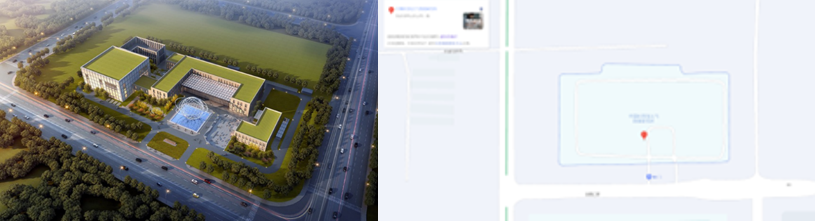
Address: Xier Street, Miyun District, Beijing (Miyun Economic Development Zone, Eastern Cluster of Huairou Science City)
The Earth System Numerical Simulation Facility (EarthLab) is a major national scientific infrastructure project under China’s 12th Five-Year Plan. The Institute of Atmospheric Physics, CAS, is the lead institution, with Tsinghua University as a co-constructor. EarthLab is China's first Earth system numerical simulation facility with proprietary intellectual property. It features world-leading software and hardware capabilities, specifically designed for comprehensive Earth system simulations, with a building area of 24,310 square meters.
Choosing EarthLab as the meeting venue offers several key advantages. Firstly, EarthLab boasts advanced infrastructure, being China’s first Earth system numerical simulation facility with proprietary intellectual property. It has world-class software and hardware capabilities, designed for comprehensive Earth system simulations, and possesses multidisciplinary research abilities, making it an ideal place for supporting climate model inter-comparison studies.
Additionally, EarthLab provides scientific support for major international issues such as climate change response and atmospheric environment management. Hosting the conference here will emphasize the importance of this event in addressing international issues.
Furthermore, as part of the Eastern Cluster of Huairou Science City, EarthLab is a crucial component of the “Beijing National Comprehensive Science Center” and “Beijing Science and Technology Innovation Center”. Holding the conference here will not only facilitate participants’ focus on the development and comparison of climate models but also expand EarthLab’s international perspectives and enhance the possibilities for future domestic and international exchanges.
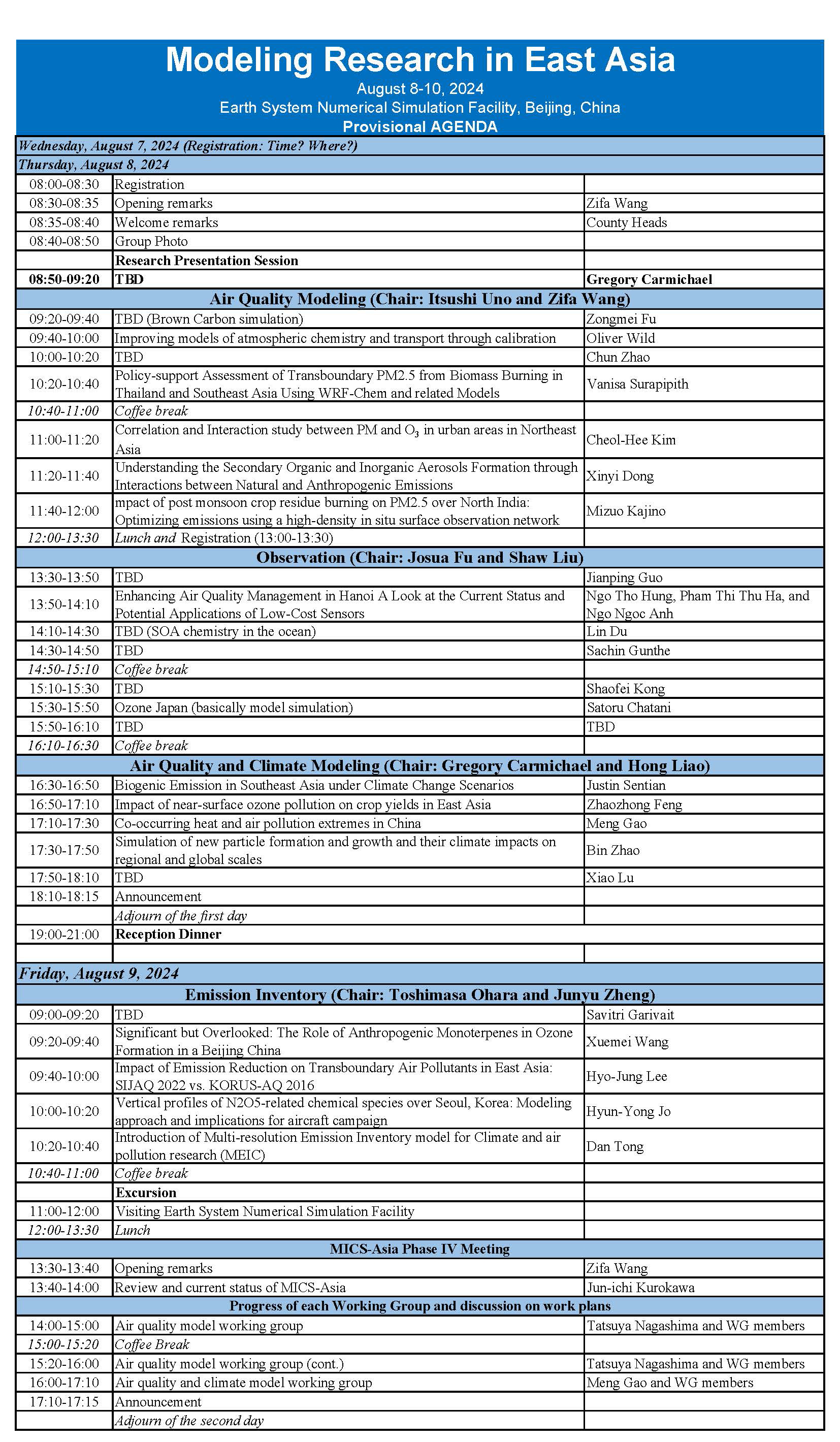
Session Schedule